
How to lose weight Fast: 5 Simple steps, Based on science By- Dt. Prashant Shukla (Nutrition Advisor & Consultant Dietitian) There are many ways to lose a lot of weight fast. However, most of them will make you hungry and unsatisfied. If you don't have iron willpower, then hunger will cause you to give up on these plans quickly. The plan outlined here will: Reduce your appetite significantly. Make you lose weight quickly, without hunger. Improve your metabolic health at the same time. Here is a simple 3-step plan to lose weight fast. 1. Do not skip breakfast Skipping breakfast will not help you lose weight. You could miss out on essential nutrients and you may end up snacking more throughout the day because you feel hungry. 2. Eat regular meals Eating at regular times during the day helps burn calories at a faster rate. It also reduces the temptation to snack on foods high in fat and sugar. 3. Eat plenty of fruit and veg Fruit a...

SMART STRATEGIES FOR FUSSY EATERS
By:- Dt. Prashant Shukla
(Nutrition Advisor & Consultant Dietitian)
Mealtimes often become a battle of wits for parents trying to ensure that their kids get the right nutrition. In a study conducted across six metros in India to understand eating in children, 88% of mothers agreed their kids are fussy eaters. And 87% said that junk food has an influence on the eating habits of children.
It may seem like a never-ending battle trying to get your child to eat nutritious foods, but don’t stress. You can help make mealtime healthier and happier for the whole family by following the six steps below.
STEP 1: MANAGE MEAL AND SNACK TIMES

Establishing set meal and snack times can help your child understand hunger and fullness. Decide on a time range for each meal that works with your family’s routines, putting two to four hours between each meal or snack. For example, serve breakfast between 6:30 a.m. and 7:30 a.m., a morning snack between 10:00 a.m. and 10:30 a.m., lunch between 12:00 p.m. and 1:00 p.m., an afternoon snack between 3:00 p.m. and 3:30 p.m., and dinner between 6:00 p.m. and 7:00 p.m. Only give your child water in between meals and snacks.
Follow the schedule for two weeks. Then, assess its effectiveness. If the feeding schedule is not working, make adjustments based on your family’s needs.
STEP 2: UNDERSTAND YOUR CHILD’S HUNGER SIGNALS

As you set mealtimes, pay attention to your child’s signs of being full or hungry. If you’re not sure how to tell, notice how your child behaves around mealtimes for a week.
Only feed your child when she shows signs of hunger and end meals when she shows signs of being full. Don’t try to force meals. Instead, you may need to adjust mealtimes if your child is consistently hungry before the established time to eat.
STEP 3: CHOOSE HEALTHY FOODS
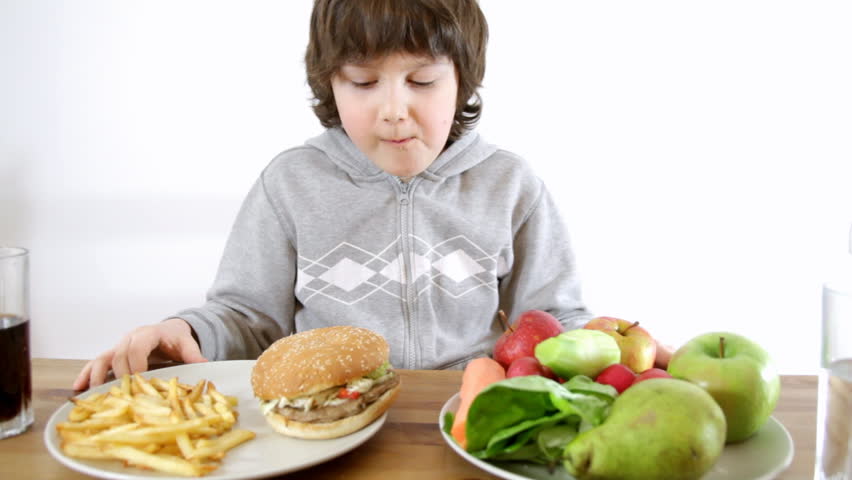
To ensure you have the right foods available at each meal and snack, make a list of things your family eats often and circle the foods that have at least one of the following:
- Fruits or vegetables
- Fortified cereal or grain (look at the food label for ingredients with higher amounts of iron and B vitamins)
- Nuts or seeds
- Fresh meat, poultry, fish or pulses (lentils, peas and beans)
- Milk-based products
- Products that are not highly processed and contain less than five ingredients
Serve two or more of the circled foods at each meal and snack. As your child’s feeding skills improve, modify the texture of the foods you serve.
STEP 4: EAT TOGETHER AS A FAMILY

Watching others eat is an important part of learning to eat. So once your child starts eating solid foods, family members should all sit together as often as possible for meals and snacks. Use a high chair if possible and pull it up to the table. If a high chair isn’t available, you can put the child in a secured booster seat at the table or sit the child on a parent’s lap.
To help ensure happier and healthier family meals, just follow these guidelines:
The Do’s and Don’ts of Handling a Picky Eater
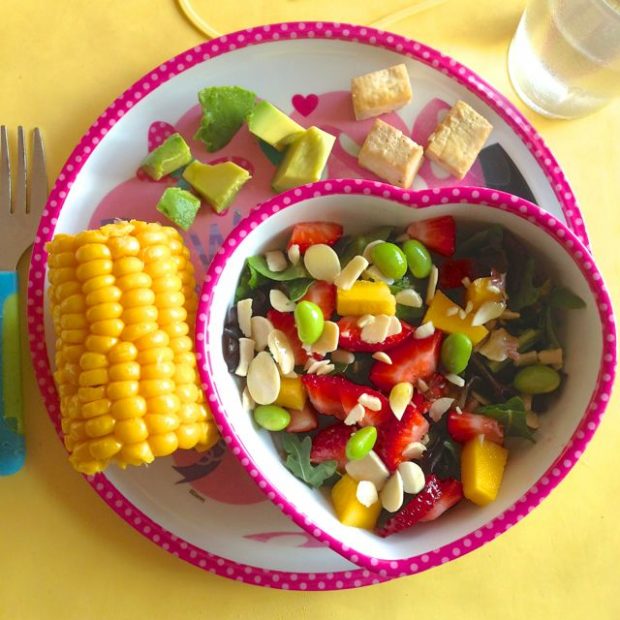
The Do’s:
- Do introduce new foods frequently, and gently encourage your kids to try them via these methods.
- Do eat a wide variety of foods yourself, since your eating habits will heavily influence theirs, eventually.
- Do involve your kids in healthy food preparation. Even if it’s just stirring up the dip you’re serving with carrots, they are much more likely to eat something they helped to make.
- Do make food fun, by allowing kids to help choose the produce you buy and/or cutting foods into cute or dip-able shapes.
- Do think about kid appeal. The size, shape, texture and color of foods can play just as big of a role in acceptance as the flavor. Pay attention to what your kids do like, and try serving other foods in a similar format.
- Do limit snacks between meals. Kids who come to the dinner table feeling hungry will try and eat much more than kids who are only a little bit hungry.
The Don’ts:
- Don’t force your kids to eat. This can backfire, and it’s more important to preserve positive feelings about mealtime.
- Don’t serve milk, juice, or any other caloric beverage with dinner. These drinks are filling and leave less room for healthy foods.
- Don’t lecture your kids about why eating healthy is important. Children’s brains can’t connect their current behaviors with long-term consequences or benefits.
- Don’t reward healthy eating with treats. If you choose to give your kids dessert sometimes, it should be independent of what they did or didn’t eat for dinner. [Tip: Dessert can be healthy too! Try plain yogurt drizzled with honey, chopped fruit & a few chocolate chips. Or whip up a fruit dip and serve alongside a platter of ripe, sliced fruit.]
- Don’t allow your kids to snack after dinner (on things other than dinner foods). Instead, save what they didn’t eat at dinner and offer it later when they say they’re hungry. Or develop an after-dinner snacking policy, such as only fruit & veggie-based snacks allowed after dinner.
- Don’t freak out. Even the pickiest kids will begin to explore more foods over time, when provided with a healthy environment and a supportive family.
Remember, these are just guidelines, and even the most dedicated parents won’t follow them all the time. If you’re offering a wide variety of food and your home is a healthy food environment most of the time, pat yourself on the back and rest assured that over time, mealtime will get easier 🙂
Comments
Post a Comment